Cracks in walls, rising floor tiles, doors that no longer close properly — sometimes these are purely cosmetic, and sometimes they are the first sign of a structural problem requiring immediate attention. Structural reinforcement is one of the most engineering-intensive areas of construction, and Binyan Eitan specializes in it — from initial diagnosis through full execution under engineer supervision.
When Is Reinforcement Needed? Warning Signs You Cannot Ignore
Not every crack is a structural problem — but some are. The distinction is important and essential to understand:
Cracks you can relax about
Small hairline cracks in plaster, especially near window and door corners, are usually the result of building material contraction and seasonal changes, and do not indicate a structural problem. Surface paint cracks after renovation work are completely normal.
Cracks requiring immediate inspection
Cracks that widen over time, cracks that run the full width of a wall, floor irregularities, visible displacement between tiles, or any phenomenon that appeared after a specific event — an earthquake, nearby excavation, or flooding. These require assessment by a structural engineer, not a handyman.
Older buildings in Jerusalem
The large number of buildings from the 1940s and 1950s in the capital, built with iron and concrete that do not meet current standards, require proactive reinforcement before any significant renovation. This is not an insurance question — it is a safety and legal obligation.
Structural Reinforcement Methods — What Exists and How to Choose
Every building has a tailored reinforcement solution. The choice between methods depends on the structure's age, foundation condition, project complexity, and client budget:
Column jacketing with reinforced concrete
Encasing existing columns in an additional layer of reinforced concrete. Increasing the column's cross-section significantly improves its load-bearing capacity and earthquake resistance.
Epoxy resin injection
Designed to seal existing structural cracks. The epoxy penetrates the crack under pressure and hardens into a material stronger than the original concrete, restoring structural integrity.
Carbon fiber reinforcement (FRP)
An advanced method using composite layers bonded to the concrete surface. Lightweight, strong, and adds minimal load to the structure — particularly suited for reinforcing beams and slabs.
Foundation reinforcement
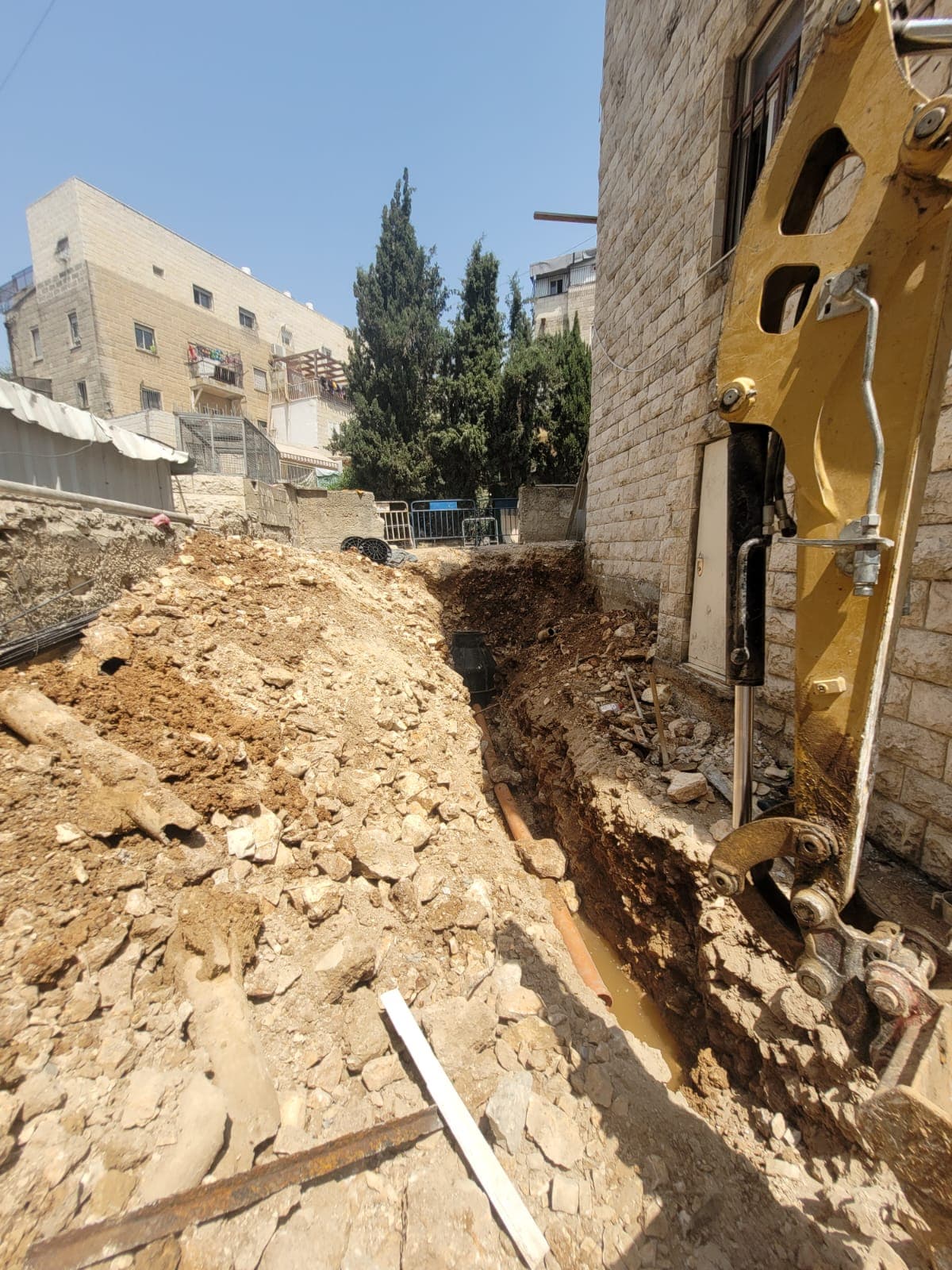
When the problem is at the base, excavation and casting work is carried out beneath the existing floor. This requires high engineering expertise and close supervision throughout.
Working with Authorities — What You Must Know
Structural reinforcement projects in Israel must meet regulatory requirements that have tightened significantly in recent years:
Structural engineer's report
Every reinforcement project requires a written opinion from a licensed structural engineer. The report defines the scope of deficiencies, treatment recommendations, and detailed execution specifications. Without this report, no work can begin.
Building permit for reinforcement
Contrary to common belief, some reinforcement work requires a building permit from the local authority. Binyan Eitan manages the entire permitting process, including plan submission and coordination with the local planning committee.
Independent supervision
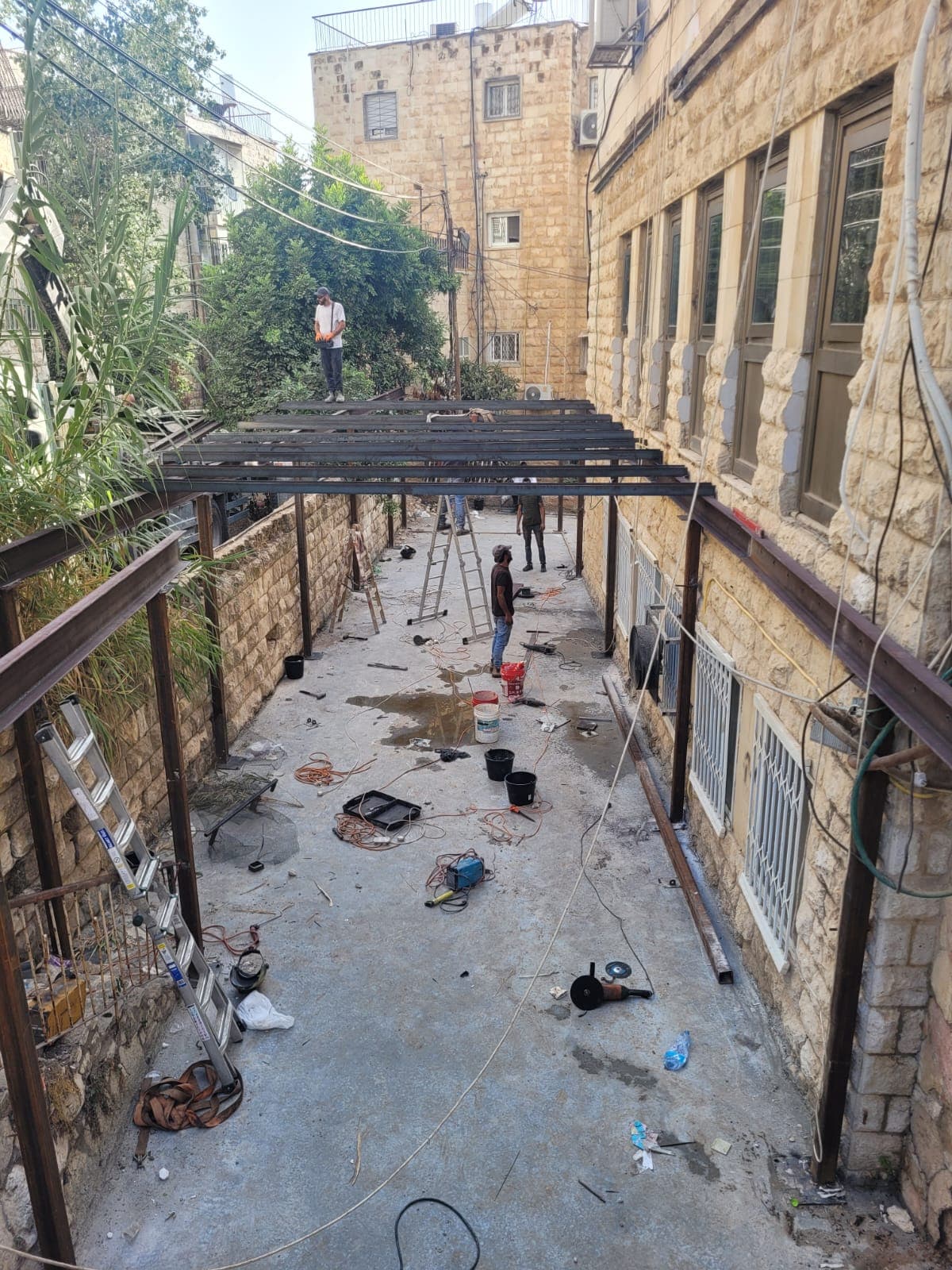
A reinforcement project typically requires supervision by an engineer independent of the executing contractor. Binyan Eitan works in full cooperation with supervising engineers and produces detailed documentation for every construction phase.
The Binyan Eitan Standard
Don't wait for the crack to grow. In any structure showing signs of structural movement — call for a structural engineer's assessment before any cosmetic treatment. The cost of a consultation is negligible compared to the cost of a wrong repair that masks a deeper problem — creating the illusion of a fix that holds only until the next serious failure.
Structural reinforcement is not open-heart surgery — but it demands the same precision. With decades of experience reinforcing buildings in Jerusalem and Binyamin, Binyan Eitan provides the engineering knowledge, the right equipment, and the close supervision your project demands.